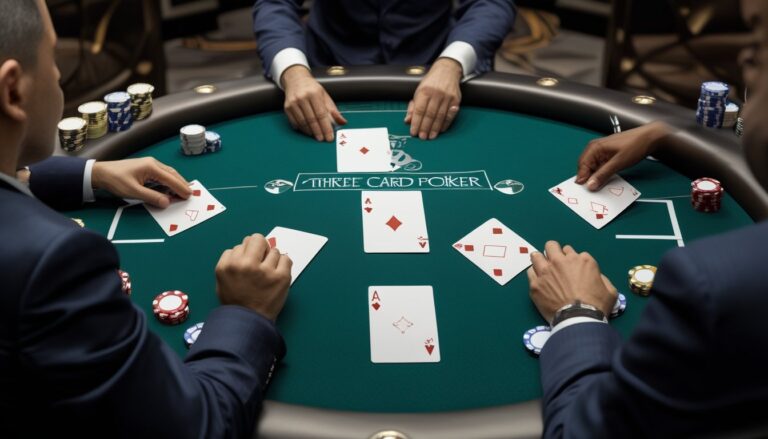
Poker is a game that combines skill, strategy, and a bit of luck. To succeed, players must not only understand the rules but also master key strategies that improve decision-making and increase the chances of winning. Effective poker strategies focus on reading opponents, managing bets, and knowing when to fold or raise.
Understanding these strategies allows players to move beyond relying on chance alone. By analyzing betting patterns, controlling emotions, and adapting to different game situations, they can make more informed choices. This approach turns poker into a game of skill rather than just luck.
For anyone aiming to improve their poker performance, learning and applying proven strategies is essential. This article will explore practical tactics that help players sharpen their gameplay and compete more confidently at the table.
Understanding Poker Game Strategies
Effective poker strategy requires a strong grasp of fundamental concepts, decision-making based on the game flow, and awareness of common pitfalls. Players must balance aggression, patience, and reading opponents to gain an advantage.
Basic Principles of Poker
At its core, poker strategy revolves around understanding hand rankings, position, and betting patterns. Early position demands tighter play since fewer cards are visible. Conversely, later position allows for more aggressive moves due to increased information.
Patience is key; not every hand is worth playing. Players should fold weak hands early to conserve chips. Knowing when to bluff or value bet depends on the strength of one’s hand combined with the behavior of opponents.
Controlling pot size is another principle. Small bets encourage weaker players to stay, while larger bets can push opponents out or build the pot when holding a strong hand. Recognizing these dynamics forms the basis of sound poker play.
Key Elements of Successful Strategy
Successful players integrate psychological insights and statistical knowledge. They focus on observing opponents’ tendencies, such as betting frequency and reaction to raises. These clues help to predict future actions.
They also use pot odds and implied odds to decide whether to call or fold. Calculating the chance of improving a hand relative to the cost of a call prevents unprofitable decisions.
Adjusting play style according to table dynamics is essential. For example, switching between tight-aggressive and loose-aggressive approaches depending on opponent skill level or stack sizes.
A disciplined bankroll management plan avoids reckless risks, allowing long-term sustainability. This combination of calculation, observation, and adaptability separates winning players from casual ones.
Common Mistakes to Avoid
One frequent error is overplaying weak hands due to emotional impulses. Players sometimes chase losses or hold onto draws without regard to odds, leading to chip drain.
Another mistake is neglecting position significance, often calling too many hands from early seats. This overexposure invites losses against more informed opponents in later positions.
Failing to adjust strategy to the specific game type or opponents also causes problems. Many stick rigidly to one style rather than exploiting weaknesses or changing tactics during tournaments and cash games.
Lastly, improper bet sizing, including betting too predictably or erratically, gives away information. Consistency in betting patterns, aligned with the hand strength, is crucial to avoid being read easily.
Pre-Flop Strategy
A solid pre-flop approach centers on choosing the right hands, understanding your seat at the table, and sizing bets properly. These elements set the foundation for how the hand unfolds and affect the likelihood of winning pots.
Starting Hand Selection
Choosing starting hands strategically is critical. Players should focus on strong hands like high pairs (AA, KK, QQ), high suited connectors (AKs, KQs), and occasionally medium pairs (JJ, TT) depending on table conditions. Weak hands or low offsuit cards generally should be folded to avoid difficult post-flop decisions.
Hand selection changes with the game type and opponents. Tightening up in early positions reduces risk, while being more selective in late positions allows opportunities to capitalize on positional advantage. Avoid entering too many pots with marginal hands, as this often leads to chip losses.
Table Position Awareness
Position directly influences decision-making and hand strength requirements. Early position players act first post-flop, so their range should be narrower to avoid being outplayed later. Middle position permits a slightly broader range, while late position offers the best informational advantage.
Players acting last gain knowledge of opponents’ actions, enabling more precise plays and bluffs. Recognizing where one sits relative to the dealer button helps identify when to be aggressive or cautious. Adjusting strategy by position optimizes the chance to control the pot size and maximize value.
Bet Sizing Decisions
Pre-flop bet sizing impacts how opponents react and shapes the pot. Standard raises often range from 2.5 to 3 times the big blind in cash games, enough to build the pot while discouraging multiple callers. Smaller bets risk inviting too many players, increasing complexity.
Adjusting bet size depends on hand strength, table dynamics, and stack sizes. A strong hand may warrant larger raises to isolate opponents; weaker or speculative hands benefit from smaller, more conservative bets. Consistent sizing helps maintain a balanced strategy, making it harder for opponents to read intentions.
Post-Flop Play Tactics
Post-flop play requires precise judgment based on the community cards and opponent behavior. Effective tactics involve reading the board texture, timing continuation bets strategically, and using semi-bluffing when the situation demands it. Each element shapes decision-making and ultimately affects pot control and potential winnings.
Reading the Board
A player must assess the board’s texture immediately after the flop. This includes identifying whether the board is wet (connected, suited, offering many straight or flush draw possibilities) or dry (disconnected or rainbow, with fewer draw possibilities). Wet boards often encourage cautious betting because opponents likely hold strong draws.
Understanding the relative strength of hole cards against the board is essential. For example, top pair on a coordinated board may not be as strong as on a dry board. Players also pay attention to possible opponent ranges based on the board and betting patterns, anticipating whether their hand can win at showdown or if further aggressiveness is required.
Continuation Betting
Continuation betting (c-betting) is a strategic move where a player who raised pre-flop follows up with a bet on the flop. It serves multiple purposes: maintaining initiative, pressuring opponents, and gathering info about their hand strength.
The effectiveness of a c-bet depends on factors such as board texture, position, and opponent tendencies. On dry boards, c-bets are more likely to succeed since opponents often miss. However, on wet boards, frequent c-betting can be risky, as opponents may call or raise with draws. Using bet sizes that reflect these conditions enhances the tactic’s success.
| Factor | Ideal C-Bet Response |
|---|---|
| Dry board | More frequent c-bets, medium size bet |
| Wet board | Selective c-bets, smaller or delayed bet |
| Opponent type | Tight players: smaller or probing c-bet |
| Loose players: larger bets or checks |
Semi-Bluffing Techniques
Semi-bluffing combines a bet with a drawing hand, such as a flush or straight draw. It aims to gain immediate fold equity while retaining the chance to improve on later streets. This tactic can force opponents to fold superior hands preempting their draw completion.
The key to semi-bluffing is timing and board reading. Players choose spots where the draw is strong but not yet made, and the board or opponent tendencies suggest fold potential. Semi-bluffs are often applied in position, enabling control over pot size and giving an advantage in decision-making on future streets. Properly executed, semi-bluffs add an aggressive layer to post-flop play and help balance a player’s range.
Bluffing and Deception
Bluffing in poker involves convincing opponents of a false story about the strength of one’s hand. It requires timing, reading the table, and managing risk carefully. Players must also observe their opponents for signs that suggest when a bluff is likely happening.
Identifying Bluffing Opportunities
Choosing the right moment to bluff depends on the context of the game. Players look for situations where opponents show weakness, such as checking or making small bets. Bluffing works best when the board cards or previous betting rounds support a credible story about a strong hand.
Position matters. Bluffing from late position, after others have hesitated, increases the chance of success. The number of players still in the hand also affects decisions; bluffing against fewer opponents is generally safer.
Players should consider their table image. If perceived as tight or cautious, a bluff is more believable. Conversely, frequent bluffs can make future attempts less effective.
Spotting Bluffs From Opponents
Detecting bluffs requires attention to behavioral cues and betting patterns. Sudden changes in bet size, excessive hesitation, or overly aggressive moves can signal a bluff.
Players watch for inconsistencies between the board and the betting. For example, confident bets on unlikely strong hands or weak boards often indicate bluffing.
Physical tells, such as nervous gestures or avoiding eye contact, may also provide clues, but interpretation must be cautious to avoid misreading.
Using a combination of observation and logical analysis increases the probability of exposing bluffs and making informed decisions during play.
Player Types and Table Dynamics
Successful poker play depends on recognizing different player types and adjusting strategies based on their tendencies. Understanding how players act and interact at the table creates opportunities to exploit weaknesses and avoid traps.
Adapting to Opponent Styles
Players generally fall into categories like tight, loose, aggressive, and passive. Tight players play fewer hands and tend to be cautious, while loose players are more willing to gamble with weaker cards. Aggressive players frequently bet and raise, forcing opponents to make tough decisions, whereas passive players often call or check.
Effective adaptation requires observing betting patterns and timing. Against tight players, a more aggressive approach can steal pots, especially in late position. Conversely, against loose opponents, patience and strong hand selection are essential to avoid costly bluffs.
Key adjustments include:
- Increasing bluff frequency versus passive players
- Playing more conservatively versus loose-aggressive opponents
- Exploiting predictable betting sizes to read hand strength
Continual observation and flexibility keep a player one step ahead, ensuring strategies evolve with the table’s flow.
Multi-Table Strategies
Playing multiple tables demands different focus and resource management. The key is prioritizing tables where the dynamics offer the most profitable edges—often those with more loose or inexperienced players.
A player should simplify decision-making on secondary tables by sticking to tight, clear strategies and only expanding reads on primary tables. Monitoring opponents’ patterns quickly is critical to avoid costly mistakes.
Techniques to apply include:
- Using HUDs or tracking software to identify opponent tendencies
- Adjusting bet sizing based on table speed and player aggression
- Folding marginal hands early on less favorable tables to conserve chips and focus
Balancing aggression and patience across multiple tables requires discipline and rapid adaptation to shifting table compositions.
Bankroll Management
Bankroll management is essential to preserve a player’s funds and sustain consistent performance in poker. It requires discipline in limiting losses and employing strategies to control risk, allowing players to navigate variance and avoid going broke.
Setting Limits
Players must establish clear financial boundaries before playing. This includes defining a maximum buy-in amount per session and a stop-loss threshold to prevent excessive losses. A common guideline is to allocate only 1-5% of the total bankroll for a single buy-in, which protects the player from steep downswings.
Setting daily, weekly, or monthly loss limits helps maintain control and prevents emotional decisions. For example:
| Limit Type | Purpose | Suggested Range |
|---|---|---|
| Buy-in Limit | Max stake per game/session | 1-5% of bankroll |
| Stop-loss Limit | Maximum allowable loss per session | 2-5% of bankroll |
Consistently adhering to these limits minimizes the risk of depleting funds quickly, allowing the player to stay in the game longer and optimize their strategy.
Risk Control Methods
Understanding variance and properly adjusting bet sizes are fundamental risk control methods. Players should choose stakes that suit their bankroll size to avoid high volatility.
Using a tiered bankroll approach helps: if a player’s bankroll grows, they can gradually increase their stakes; if it shrinks, they move down to lower limits. This maintains sustainability. Additionally, players should diversify their game formats—for example, mixing cash games and tournaments—to balance potential returns and risks.
Careful record-keeping combined with regular bankroll reviews allows players to identify patterns and adjust risk accordingly. Employing these methods effectively increases the chance of long-term profit and stability in poker.
Advanced Strategies
Success in poker depends on recognizing opponents’ tendencies and applying precise calculation to decision-making. Both psychological insight and mathematical rigor play crucial roles in crafting a winning approach.
Exploiting Opponents’ Weaknesses
Identifying and capitalizing on an opponent’s predictable patterns gives a player a strategic edge. For example, a player who folds too often to bets can be pressured with more aggressive bluffing. Conversely, an opponent who calls frequently may require a player to tighten their value betting range.
Observing betting patterns, timing, and reactions over several hands helps a player build a profile of rivals. Adjusting play style to exploit this data—such as isolating weaker players with raises or trapping loose opponents—maximizes expected value. Consistent adaptation is key; if opponents adjust, the player must find new vulnerabilities.
Using Mathematics in Poker
Mathematics governs many advanced poker concepts. Understanding pot odds—the ratio of current pot size to cost of a contemplated call—guides decisions on whether to continue with a hand. Calculating implied odds considers future potential earnings if a draw completes.
Players also use hand ranges to estimate the likelihood of opponents holding certain cards, adjusting their bets accordingly. Applying game theory optimal (GTO) principles enables a balanced strategy that minimizes exploitability. Mastery of these calculations enhances decision quality under pressure and reduces guesswork.
Psychological Aspects of Poker
Success in poker depends heavily on how well a player manages internal states and maintains focus under pressure. Mental control shapes decision-making, allowing a player to stay strategic rather than reactive. These psychological factors often separate consistent winners from those who struggle.
Managing Tilt and Emotions
Tilt occurs when a player lets frustration or anger affect their decisions, leading to poor bets and unnecessary risks. Recognizing early signs of tilt is crucial, such as impatience, rash moves, or a change in betting patterns.
To control emotions, players must develop self-awareness and regularly assess their mental state during games. Techniques like deep breathing, short breaks, or focusing on the process rather than results help reduce emotional swings. Emotional discipline allows for clear thinking even after setbacks, preventing costly mistakes.
Maintaining emotional balance also involves accepting losses as part of the game instead of reacting impulsively. This reduces the chance of chasing losses and promotes rational, calculated play.
Developing a Winning Mindset
A winning mindset requires resilience, adaptability, and confidence. Players should approach poker as a game of skill and long-term strategy, not just short-term luck. This perspective helps maintain patience during downswings and stay focused on making optimal decisions.
Continuous learning and reflection enhance this mindset. Reviewing past hands and identifying cognitive biases like overconfidence or fear fosters improvement. Confidence built on knowledge encourages players to trust their strategies rather than second guess themselves.
Staying mentally flexible lets a player adjust tactics to different opponents and table conditions. This combination of persistence and adaptability maximizes their ability to capitalize on opportunities consistently.
Strategy Evolution and Continuous Learning
Adapting in poker means recognizing changing patterns in opponents’ behavior and incorporating new tactics supported by data analysis and technology. Players must refine their skills by reviewing past play and staying aware of innovations that influence strategic decision-making.
Staying Updated With Trends
Poker strategy has shifted from aggressive, fixed styles to more balanced and mathematically driven approaches, including Game Theory Optimal (GTO) play. Modern players use tools like solvers and analytics software to analyze hand ranges, optimize bet sizes, and exploit opponent weaknesses.
Understanding emerging tactics—such as push-fold strategies for short stacks or incorporating blockers—is vital. Players also track meta-game adjustments, where strategy adapts to common plays in the current environment.
Continuous exposure to forums, training platforms, and poker software is essential. Players who ignore evolving trends risk becoming predictable or outmatched as the game grows more complex and competitive.
Learning from Past Hands
Reviewing previous hands enables players to identify errors and successful decisions, deepening understanding of opponent tendencies and situational play. Hand history analysis helps highlight missed opportunities or suboptimal plays based on strategic principles.
Using software to replay and dissect hands supports spotting patterns in betting, timing, and player reactions. This reflective practice strengthens skills in areas such as bluff timing, hand reading, and pot control.
Consistent review encourages incremental improvements, which accumulate over time. It also cultivates adaptability, allowing players to adjust tactics dynamically rather than relying solely on intuition or habit.
About the Author