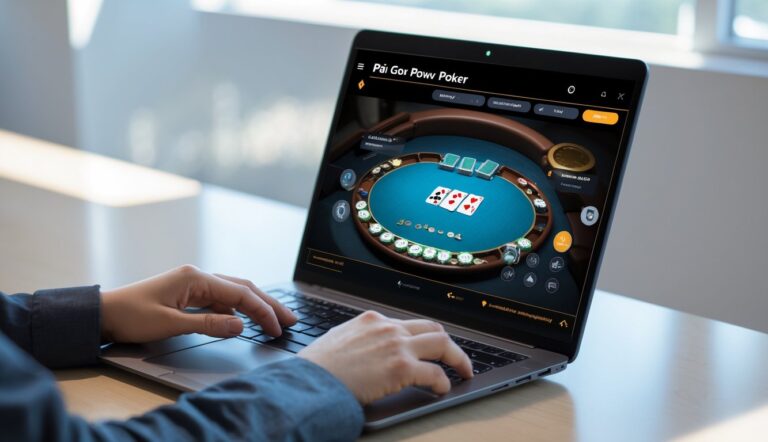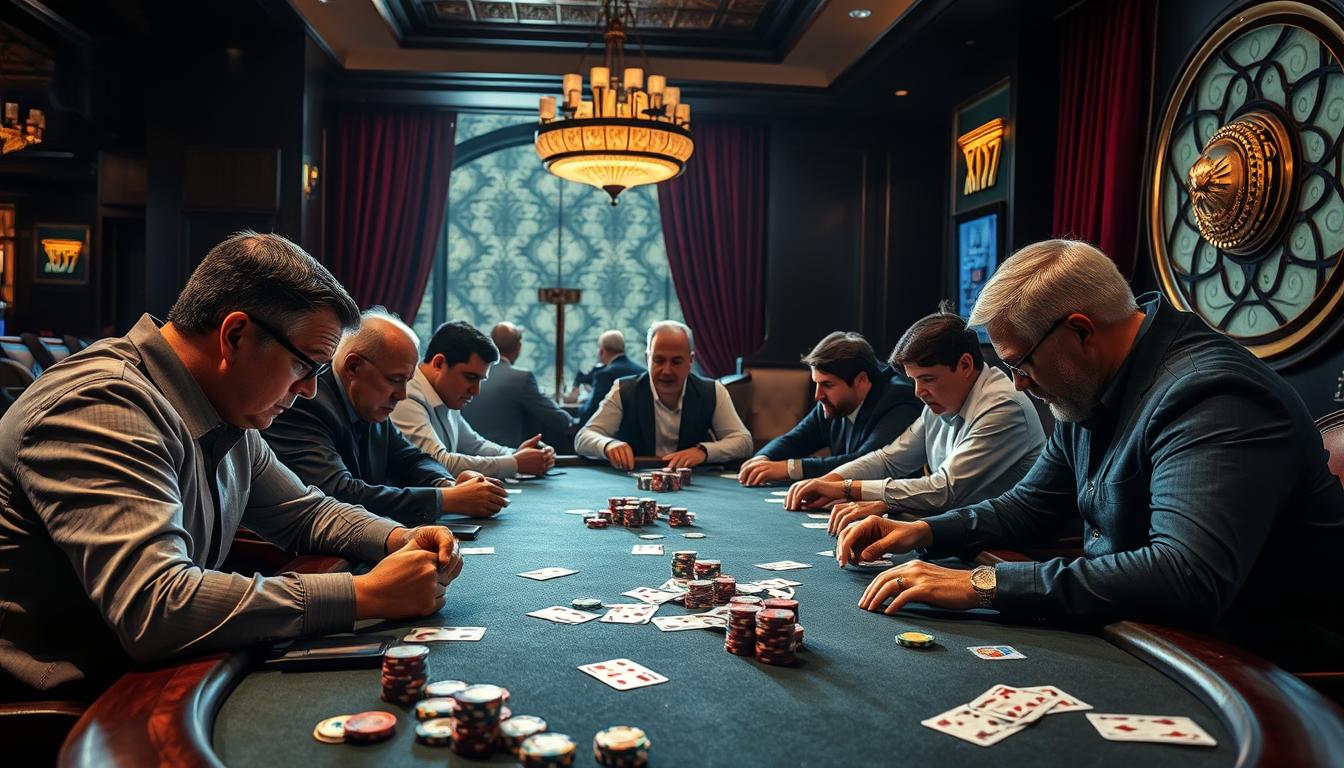
A poker player community plays a crucial role in enhancing skills and deepening engagement with the game. Players connect to share strategies, experiences, and advice, which helps them improve far beyond what solo play can achieve. The value of these communities lies in their ability to provide continuous learning and support through collaboration.
Many platforms, such as IDN Poker and IDN Play, have fostered strong communities that bring together players from across Indonesia. These groups offer forums, chat rooms, and social media spaces where participants can discuss game tactics, exchange tips, and stay updated on tournaments. Being part of such a community creates not just a network but a shared passion for poker.
Participation in a poker community also helps beginners find guidance and feel more confident navigating the complexities of online poker. The interaction encourages fair play and creates opportunities for players to grow while enjoying the competitive spirit of the game.
What Is a Poker Player Community?
A poker player community consists of individuals connected by their interest and participation in poker. These communities form around shared goals such as improving skills, exchanging strategies, and creating social bonds. They vary in format and function but consistently offer collaborative learning and support for members.
Definition and Core Concepts
A poker player community is a group of players who interact regularly, either online or offline. These communities revolve around knowledge sharing, strategy discussions, and collective experience. Their core concept is mutual growth, where stronger players often mentor beginners.
Central to these communities is communication—through forums, chat groups, or live meetups. Members contribute resources like tutorial videos, game reviews, and bankroll management advice. Trust and respect are fundamental, ensuring discussions remain constructive and focused on gameplay improvement.
Types of Poker Communities
Poker communities appear in various forms, each serving different player needs:
- Online Forums and Websites: Platforms where members post strategy articles, organize online games, and discuss trends.
- Social Media Groups: Facebook, Telegram, or Discord channels offering quick interactions and updates.
- Local Clubs and Live Meetups: Physical gatherings that focus on live game practice, tournaments, and social networking.
- Platform-Specific Communities: Groups centered around particular sites like IDN Poker, sharing platform-related tips and events.
These types often overlap, providing members multiple avenues to engage depending on their preferences and goals.
Purpose and Benefits
The main purpose of poker communities is to enhance members’ skills and enjoyment of the game. Players gain access to wider knowledge pools than they would alone, resulting in faster learning curves. Communities provide practical benefits including:
- Strategy sharing and feedback
- Exposure to diverse playing styles
- Emotional support during losses or winning streaks
- Opportunities for team play and tournaments
Engagement with a community also helps maintain motivation, reduces isolation, and builds connections that can influence long-term success in poker.
Joining a Poker Player Community
Joining a poker player community involves understanding membership requirements, locating a community suited to specific needs, and weighing the benefits of online versus offline interactions. These factors impact how effectively a player can learn, share, and grow within the poker environment.
Criteria for Membership
Membership criteria can vary widely depending on the community’s focus and rules. Some communities require players to have a minimum skill level, verified membership in a poker platform, or active participation in discussions. Others may only require interest in poker and willingness to engage respectfully with peers.
Communities often look for commitment, such as regularly contributing strategy insights or participating in group games. Some emphasize maintaining ethical behavior, avoiding cheating, and promoting a positive environment. These criteria help maintain a focused and supportive atmosphere where all members can benefit.
Finding the Right Community
Choosing the right poker community depends on a player’s goals and preferences. Competitive players may prefer forums or groups that offer strategy discussions, regular tournaments, and mentorship. Casual players might select more social groups focused on sharing experiences and enjoying the game together.
A structured approach helps: players should evaluate community size, activity level, and available resources such as tutorials or software reviews. Checking the platform—Facebook groups, Discord servers, or dedicated forums—can determine if the communication style and organization align with the player’s needs.
Online vs. Offline Communities
Online communities provide accessibility and diversity, connecting players worldwide at any time. They offer forums, chat rooms, and real-time discussions, often including exclusive online games or training sessions. These communities suit players who value convenience and a broad range of experience.
Offline communities, such as local meetups or club events, foster face-to-face interaction and direct networking. These settings often create stronger social bonds and immediate feedback opportunities, ideal for players seeking deeper personal connections. However, they require geographical proximity and regular meeting availability.
Popular Platforms for Poker Player Communities
Poker players today engage with one another through a variety of digital platforms designed to share strategies, discuss games, and connect with peers. These platforms vary by format and exclusivity, catering to different types of players from beginners to experts.
Social Media Groups
Social media groups, especially on platforms like Facebook and Reddit, serve as accessible spaces where poker enthusiasts gather. Groups such as the r/poker subreddit offer lively discussions on current trends, player stories, and strategic advice. These communities usually have a supportive atmosphere, making them ideal for both newcomers and seasoned players.
Facebook groups provide a mix of casual conversation and event announcements, offering real-time interaction with large audiences. The main advantages include ease of use, a diverse membership base, and frequent updates on poker news and tournaments. However, the open nature means the quality of advice can vary, so members often need to assess the credibility of shared information.
Poker Forums
Dedicated poker forums remain central hubs for structured, in-depth discussions on strategy and game theory. Websites like PokerStrategy.com and Cards Chat combine extensive resources with active user participation, including hand reviews and expert content. These forums attract players seeking detailed analysis and mentorship.
Forums typically feature categorized threads covering everything from beginner tips to advanced concepts, which helps users focus on relevant topics. Unlike social media groups, forums encourage longer, more thoughtful posts and have moderation to maintain quality. They also often host exclusive tournaments and offer access to downloadable study materials, making them a valuable tool for skill development.
Private Poker Clubs
Private poker clubs are exclusive communities, often invite-only or membership-based, that offer a more controlled environment. These clubs emphasize trust, serious play, and networking among committed players. Membership might require proof of skill or entry through referrals.
They provide benefits like private games, higher stakes, and direct communication with experienced players. Many private clubs operate both online and in real-world settings, blending digital communication with live meetups. This controlled setting is preferred by players looking to avoid casual noise and maintain a focused, competitive atmosphere.
Activities in Poker Player Communities
Poker player communities engage in a variety of activities that foster skill development, social connection, and professional growth. These activities support players by offering competitive play, knowledge exchange, and valuable networking chances.
Tournaments and Events
Organizing tournaments is a core activity within poker communities. These events vary from casual home games to structured charity fundraisers and local league competitions. Players gain opportunities to test their skills in real-time, experience different formats, and learn from opponents of diverse skill levels.
Community events also encourage social interaction beyond the game. They create a friendly atmosphere where members connect over shared interests. Regular tournaments help maintain player engagement and build a sense of belonging among participants.
Strategy Sharing
Players actively discuss strategies through forums, meetups, and online groups. This exchange includes tips on reading opponents, bankroll management, and adapting to game dynamics. Sharing insights helps both beginners and advanced players improve by learning from others’ experiences.
Detailed hand analyses and situational advice are common. Members often post scenarios for feedback, fostering collaborative improvement. Strategy sharing supports continuous learning and helps players avoid common pitfalls.
Networking Opportunities
Poker communities serve as networking hubs where friendships often turn into business or collaborative ventures. Members leverage shared interests to build professional relationships outside of poker.
These connections can lead to mentorship opportunities, partnerships, and access to exclusive events. Networking within the community enhances both personal and poker-related growth, expanding one’s influence and resources within the poker world.
Community Guidelines and Etiquette
A well-functioning poker community depends on respect, clear communication, and responsible habits. Players must adhere to standards that promote fairness, manage disputes calmly, and support safe gaming practices to maintain a positive environment.
Code of Conduct
Players are expected to engage respectfully at all times, avoiding personal attacks or offensive language. Cheating, collusion, and any form of unethical behavior are strictly prohibited.
Key expectations include:
- Speaking politely towards others
- Maintaining honesty in bets and card handling
- Respecting dealers and staff
Disruptive actions like excessive slow play or intentional distractions violate community norms and may result in warnings or removal from events. The goal is to foster a civil atmosphere where strategy and skill prevail without hostility.
Conflict Resolution
Disagreements should be addressed calmly and directly, preferably by communicating privately or involving a neutral mediator such as a dealer or tournament director. Escalating arguments publicly harms the game’s flow and the community’s spirit.
If a conflict arises, players should:
- Identify the issue clearly
- Pause the game if needed to discuss
- Follow established rules and decisions from officials
This process ensures fairness without bias and prevents emotional reactions from disrupting the experience for others.
Responsible Gaming Practices
Players are encouraged to manage their bankrolls wisely and recognize limits to avoid gambling-related harm. Taking breaks and knowing when to stop helps maintain mental clarity and long-term enjoyment.
Essential practices include:
- Setting loss and time limits before playing
- Avoiding chasing losses through impulsive betting
- Seeking support if gambling affects well-being
Promoting responsible gaming safeguards the community’s sustainability by keeping the focus on skill and entertainment rather than addictive behavior.
Building and Managing a Poker Player Community
Creating a successful poker player community requires a clear structure with defined roles, active engagement practices, and strategies focused on long-term growth. Each aspect supports a vibrant, loyal group where players feel valued and motivated to participate regularly.
Leadership Roles
Effective leadership anchors the community. Leaders should establish clear responsibilities, such as organizing events, moderating discussions, and enforcing rules. Consistency in leadership presence builds trust, as players expect regular communication and reliable event scheduling.
Delegating tasks among several leaders prevents burnout and increases efficiency. For example, one person might handle tournaments while another manages online forums or social media. Transparency from leadership about decisions and changes helps maintain respect and cohesion within the community.
Leaders must also set a positive tone by modeling respectful behavior. This helps reduce conflicts and fosters an inclusive environment that encourages new members to join and remain active.
Community Engagement Strategies
Engagement hinges on creating meaningful interactions. Scheduled tournaments, casual games, and themed events give members reasons to return frequently. Promoting active chat features and forums allows players to share tips and form bonds beyond the cards.
Regular updates posted on social media or community platforms keep players informed and involved. Reward systems, such as leaderboards or small prizes, boost participation and friendly competition.
Encouraging member contributions, like creating content or moderating discussions, deepens commitment. Additionally, feedback channels enable the community to adapt and improve according to its members’ needs.
Growth and Sustainability
Sustaining growth means attracting new members while retaining core players. Utilizing social media and poker app integrations expands reach by connecting like-minded players worldwide.
Retention depends on maintaining a positive atmosphere with consistent, quality experiences. A clear code of conduct and prompt moderation prevent toxicity that can drive players away.
Long-term success also requires adaptability to trends and technology. Hosting hybrid events (online and in-person) and incorporating new game formats keep the community relevant.
| Key Actions | Purpose |
|---|---|
| Regular leadership check-ins | Maintain community trust |
| Diverse event types | Cater to various player interests |
| Active moderation | Safeguard community culture |
| Social media outreach | Expand membership base |
Impact of Poker Player Communities on Skill Development
Poker player communities significantly influence how members improve their skills. These communities offer accessible learning materials, structured guidance through mentors, and ongoing feedback from peers. Together, these elements create a comprehensive environment that supports continuous growth.
Learning Resources
Communities provide a wide range of learning resources tailored to players at different levels. These include strategy articles, video tutorials, and curated databases of hand histories. Members can access these materials anytime, allowing for flexible self-paced study.
Online forums and group chats often compile updated meta-game trends and analysis. This enables players to stay informed on evolving strategies. Some communities also organize webinars and live sessions where experts break down complex concepts in real-time.
Access to diverse formats enhances understanding and retention. The availability of shared experiences and case studies helps members apply theoretical knowledge practically, accelerating their skill development.
Mentorship Programs
Many poker communities implement mentorship programs pairing less experienced players with veterans. These relationships provide personalized coaching, tailored feedback, and strategic insight beyond standard resources.
Mentors often review mentees’ gameplay, identifying specific weaknesses and suggesting improvements. This targeted approach increases training efficiency compared to self-study alone.
Mentorship also fosters accountability; regular check-ins encourage consistent practice and goal setting. Moreover, emotional support from mentors helps players navigate the psychological pressures of poker.
These programs contribute to faster skill acquisition through direct interaction and hands-on guidance within the community’s culture.
Peer Feedback
Peer feedback is a core element in community-driven skill development. Players share hand analyses, discuss strategic decisions, and debate various game scenarios in dedicated forums or chat groups.
This exchange exposes players to multiple perspectives and encourages critical thinking. Constructive criticism helps identify blind spots and refines decision-making skills.
Community members often celebrate improvements and milestones, which boosts motivation. The dynamic nature of peer feedback keeps learning relevant and timely by incorporating new strategies and adapting to current game conditions.
Feedback loops within poker communities promote active participation and continuous improvement through collaboration rather than isolation.
Challenges Facing Poker Player Communities
Poker player communities must address issues related to maintaining integrity, navigating complex legal environments, and sustaining active member engagement. Each of these areas presents distinct obstacles that impact both the community’s health and individual player experiences.
Security and Fair Play
Ensuring security and fair play is critical for poker communities, especially online ones. Cheating, collusion, and the use of unfair software can undermine trust among members. Communities often implement self-regulation, monitoring suspicious behavior and encouraging responsible gambling to protect integrity.
Reliable verification systems and regular audits are essential to prevent fraud. Some groups use trusted moderators or automated algorithms to detect irregular patterns in gameplay. Promoting transparency about rules and consequences deters unethical conduct and fosters a safer gaming environment.
Maintaining fair play promotes a culture of respect and competitiveness, which benefits both recreational and professional players alike.
Legal Considerations
Poker communities must navigate a complex legal landscape that varies by region. Issues such as gambling regulations, licensing, and potential fraud charges create risks for both operators and players. Legal challenges can arise from accusations of bribery, cheating, or unauthorized game hosting.
Members need awareness of their local laws to avoid inadvertent violations. Communities sometimes provide guidance on legal compliance and encourage transparency about regulatory changes. Legal challenges within the community can cause trust breakdowns or even dissolution of groups.
Staying informed and proactive about regulatory requirements helps communities manage legal risks more effectively and maintain long-term viability.
Member Retention
Sustaining an engaged player base is a continuous challenge. Communities face risks of member drop-off due to dissatisfaction, burnout, or lack of fresh content. Without regular participation, groups can stagnate, decreasing the exchange of strategies and emotional support.
Many poker communities invest in fostering interpersonal connections by hosting online forums, live meet-ups, and shared learning sessions. Active moderation and incentives like tournaments or rankings can boost motivation. Encouraging mentoring among skilled and new players creates a welcoming atmosphere.
Retaining members requires consistent effort to balance competition, education, and social interaction.
The Future of Poker Player Communities
Poker player communities are evolving beyond traditional competition. Players now seek more social and immersive experiences that foster engagement and connection. This shift reflects a broader trend toward valuing community over pure competition.
Technology plays a crucial role in shaping these communities. Platforms are integrating features that allow players to network, share strategies, and collaborate in real time. This has created spaces where social interaction and skill development go hand in hand.
The future will likely see a move toward inclusive, player-centric environments. Players are no longer just participants but contributors to the community culture. This helps maintain sustainability and balances the recreational aspect with competitive play.
Player behavior is also influenced by these communities. Interaction and shared knowledge affect decision-making and emotional responses during games. These dynamics will continue to define how poker communities function and grow.
| Key Future Trends | Description |
|---|---|
| Community Focus | Emphasizing connection over winner-take-all dynamics |
| Technological Integration | Real-time networking and strategy sharing |
| Player-Centric Sustainability | Balancing recreational and competitive play |
| Behavioral Influence | Communities shaping player decisions and emotions |
As poker continues to adapt, communities will remain central to the game’s appeal and growth. The ability to blend strategy with social engagement will define the next phase of poker player communities.
About the Author